
Bonsai Trees for Calm, Beauty, and Growth
- Apr 19
- 6 min read
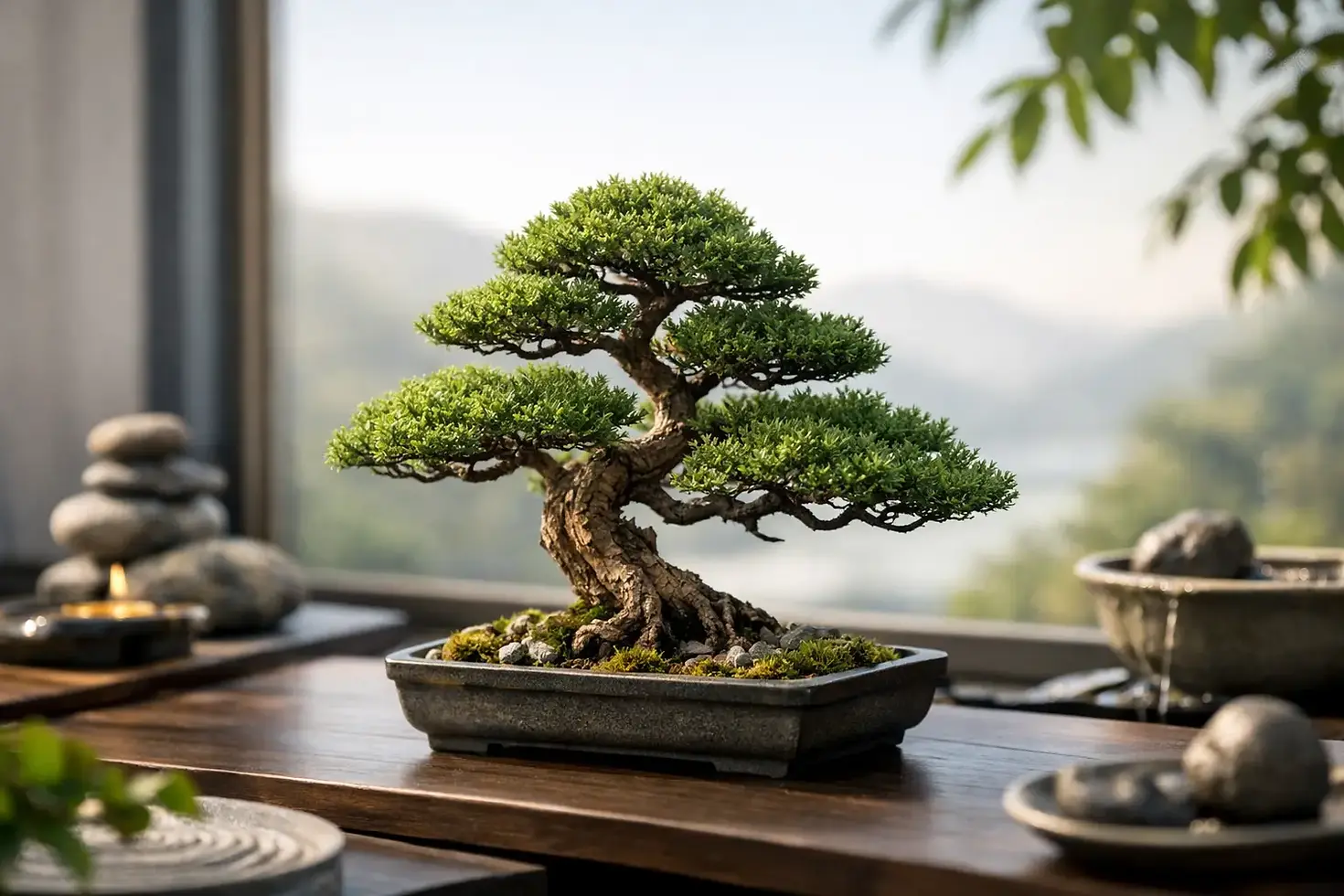
A bonsai tree changes the feel of a room in a way few objects can. It does not shout for attention. It draws you in quietly - with shape, age, texture, and the sense that something living is being carefully tended over time. For many people, bonsai trees are not just decorative plants. They become small daily rituals, creative projects, and steady reminders to slow down.
That is part of their lasting appeal. A bonsai can sit on a desk, a shelf, or a sunlit table and bring a sense of balance to the space around it. At the same time, it asks something gentle from its owner: observation, patience, and care. For beginners, that can sound intimidating at first. In reality, bonsai is often far more approachable than people expect when you start with the right tree and a clear understanding of what it needs.
Why bonsai trees feel so meaningful
A well-chosen bonsai offers more than greenery. It carries presence. The curve of a trunk, the spread of branches, and the proportion of the pot all work together to create a living composition that feels intentional and calm.
That combination of art and horticulture is what makes bonsai so distinctive. You are not simply keeping a plant alive. You are shaping, refining, and responding to it over time. Some owners come to bonsai for the design aspect. Others are drawn to the meditative rhythm of watering, pruning, and noticing small changes week by week. Most find that it becomes both.
There is also a practical reason bonsai fits so well into modern homes. You do not need a sprawling garden to enjoy one. With the right species and placement, bonsai can bring a grounded, natural focal point into apartments, offices, and smaller living spaces.
Choosing bonsai trees that fit your life
The best bonsai is not necessarily the rarest or most dramatic one. It is the tree that matches your environment, your experience level, and the amount of attention you realistically want to give it.
For beginners, this matters more than aesthetics alone. A beautiful tree placed in the wrong conditions will struggle, no matter how excited you are to own it. Light, humidity, temperature, and watering habits all shape which bonsai will thrive in your care.
Indoor or outdoor bonsai trees
This is often the first question to answer. Some bonsai are better suited to indoor living, especially in bright spaces with stable temperatures. Others are true outdoor trees that need seasonal changes and fresh air to stay healthy.
Indoor-friendly bonsai can be a natural choice for people who want a peaceful accent for their home or workspace. They tend to appeal to gift buyers and first-time owners because they integrate more easily into daily life. Outdoor bonsai, on the other hand, can be deeply rewarding for gardeners and collectors who enjoy a more seasonal relationship with their trees.
Neither option is automatically easier. It depends on your setup. A sunny window may be perfect for one species and inadequate for another. A patio may open up excellent possibilities, but only if your climate supports the tree year-round or you can protect it when needed.
Start simple, then grow into the art
Many new owners assume they should begin with a very young starter tree because it seems more authentic. Others lean toward a more developed bonsai because it already has character and presence. Both paths are valid.
A starter bonsai gives you room to learn shaping and development from an earlier stage. It can be especially satisfying if you enjoy the creative process and want to watch a tree evolve over time. A more established bonsai offers a polished look right away and can feel less abstract for someone who wants immediate beauty in the home.
The trade-off is mostly about patience and expectations. Younger material often costs less and teaches more. More refined trees deliver visual impact sooner, but they also deserve thoughtful care from the start.
What bonsai trees really need to thrive
Much of bonsai care becomes easier once you move beyond the myth that bonsai are fussy by nature. They are not fragile ornaments. They are living trees with specific needs, and those needs are manageable when you understand the basics.
Light comes first
If a bonsai is not getting enough light, other efforts can only do so much. Strong growth, healthy leaves, and balanced development all depend on proper exposure. That does not mean every tree wants harsh, direct sun all day. It means each species has its own preference, and placement should reflect that.
Beginners often try to place bonsai where they look best rather than where they will live best. Sometimes those two goals align. Sometimes they do not. A corner shelf may be beautiful, but if it lacks light, it is not a long-term home for most bonsai.
Watering is a rhythm, not a schedule
This is where many people get nervous, but watering becomes more intuitive with practice. Bonsai should be checked regularly, and watered when the soil conditions call for it. A fixed calendar approach can lead to overwatering or underwatering because temperature, light, pot size, and season all affect how quickly the soil dries.
That is why attentive observation matters so much. Touch the soil. Notice how fast it changes in different weather. Learn how your tree looks when it is well hydrated and when it is asking for water. This kind of care can feel calming rather than complicated once it becomes part of your routine.
Pruning supports both health and design
Pruning is one of the pleasures of bonsai ownership because it blends function with creativity. You prune to maintain shape, encourage balanced growth, and keep the tree in scale. Over time, those small decisions help define the tree's character.
For beginners, it is wise to prune conservatively at first. A few careful cuts can do far more than aggressive trimming done in uncertainty. As you gain confidence, you begin to see how structure, negative space, and foliage density work together.
Soil, pots, and repotting matter too
Bonsai live in a controlled environment, so the pot and soil mix are part of the care system, not just the presentation. Good drainage is essential. Soil that stays too wet can create trouble quickly, while soil that drains well helps roots stay healthier and easier to manage.
Repotting is not something you do constantly, but it is an important part of long-term care. Trees outgrow containers, roots become crowded, and fresh soil supports renewed vigor. The timing depends on the species, the tree's age, and how actively it is growing.
Bonsai as home decor, hobby, and gift
One reason bonsai continues to attract such a wide audience is that it meets people in different ways. For one person, it is a design choice that softens a room and adds natural texture. For another, it is a hands-on hobby that offers focus after a busy day. For someone else, it is a meaningful gift that feels more personal than a standard houseplant.
That flexibility is part of what makes bonsai so appealing for modern living. It can be aesthetic and practical, quiet and expressive. A single tree can mark a milestone, anchor a meditation corner, or become the first step into a larger collecting journey.
When given as a gift, bonsai works best when it is paired with reassurance rather than mystery. New owners appreciate guidance, realistic care instructions, and the confidence that they are starting with a healthy tree chosen for successful ownership. That thoughtful beginning often makes the difference between a short-lived novelty and a lasting connection.
A more approachable way to begin
The bonsai world can sometimes feel guarded or overly technical from the outside. That keeps some people from ever starting, which is a loss, because bonsai does not have to begin with perfection. It begins with attention.
A healthy, well-selected tree and clear care support can remove much of the friction that new owners worry about. That is one reason curated bonsai shops such as Bitterroot Bonsai resonate with first-time buyers as well as experienced collectors. The right starting point matters. So does knowing help is available when questions come up.
There will always be more to learn, and that is part of the beauty. Bonsai rewards curiosity. The more time you spend with a tree, the more you notice: a new bud, a stronger silhouette, a subtle shift in color, a branch line that suddenly makes sense. Progress is rarely dramatic, but it is deeply satisfying.
If you have been considering bonsai trees for your home, your practice, or a meaningful gift, the best time to begin is often before you feel fully ready. Choose a tree that fits your space, give it consistent care, and let the relationship unfold slowly. A bonsai does not ask for perfection. It asks for presence.


Comments